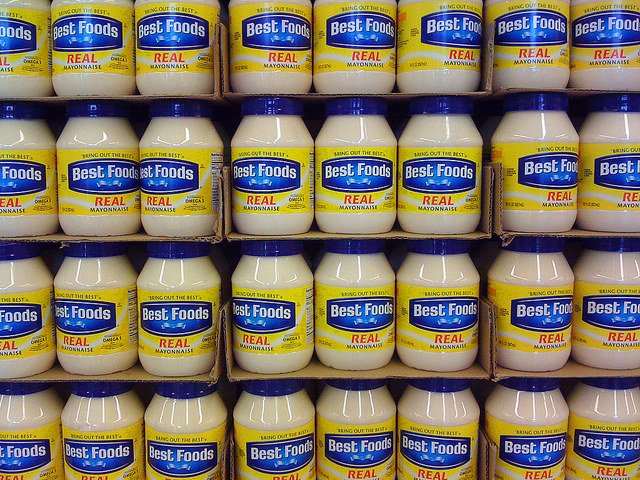
4. About 80 million eggs, or about 1% of the 8 billion produced annually in the U.S., are used to make commercial mayonnaise.
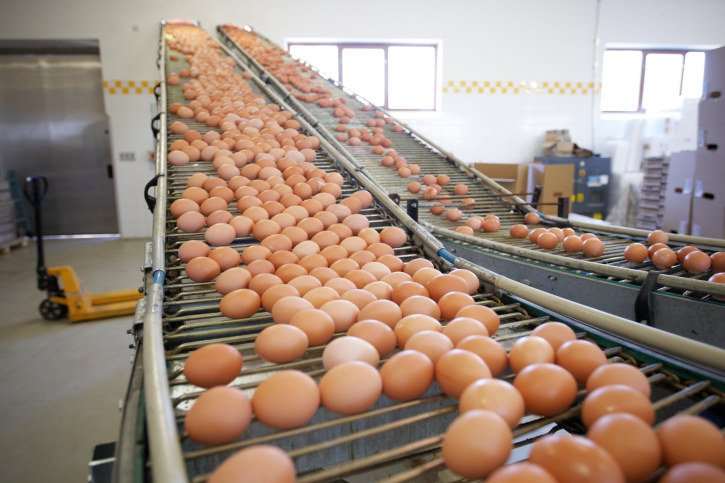
While the majority of eggs produced in the U.S. will be washed, weighed, graded and packed into egg cartons, a third of them will be further processed into products like "liquid eggs," says Serena Schaffner of the American Egg Board. Mayonnaise is made from liquid eggs."For liquid eggs, shell eggs go into machines that break eggs and, if necessary, separate the whites and yolks," Schaffner says. Any eggs sold without their shell must also be pasteurized, or heated, to reduce the risk of food-borne illness. "Most mayonnaise manufacturers," says Schaffner, "use frozen salted egg yolk for their formulations." The gelatinous quality of the frozen yolk along with the salt give it the desired viscosity for use in sauces and dressings.

ThinkStock

While the majority of eggs produced in the U.S. will be washed, weighed, graded and packed into egg cartons, a third of them will be further processed into products like “liquid eggs,” says Serena Schaffner of the American Egg Board. Mayonnaise is made from liquid eggs.

“For liquid eggs, shell eggs go into machines that break eggs and, if necessary, separate the whites and yolks,” Schaffner says. Any eggs sold without their shell must also be pasteurized, or heated, to reduce the risk of food-borne illness.

“Most mayonnaise manufacturers,” says Schaffner, “use frozen salted egg yolk for their formulations.” The gelatinous quality of the frozen yolk along with the salt give it the desired viscosity for use in sauces and dressings.

5. Once the eggs have been collected and liquified, they are sent to be processed. This video shows how tanks of liquid eggs, soybean oil, vinegar, salt and other spices, are turned into mayonnaise.
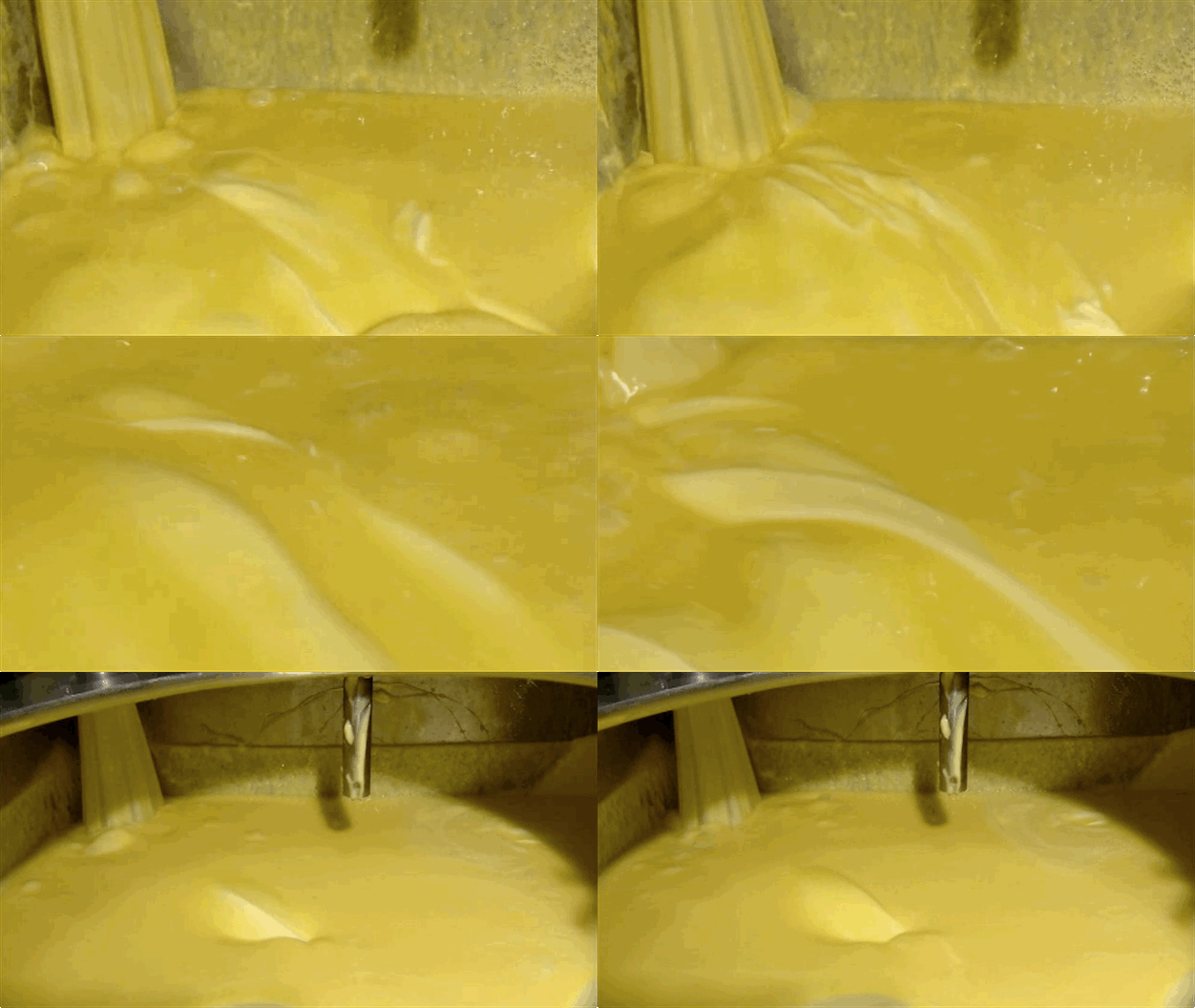
The relatively simple ingredients go through a high-tech mixing process to turn them into mayonnaise.

sciencechannel.com